Introduction to Long Exposure Photography
Long exposure photography is an enchanting realm of aesthetics that allows artists to manipulate time and light, creating images that transcend ordinary perception. This technique can transform mundane scenes into ethereal landscapes, capturing moments that evoke emotion and provoke thought. In the world of aesthetic photography, long exposure techniques have become essential tools for photographers who seek to convey a sense of movement, tranquility, or surrealism in their work.
In this article, we will explore various long exposure techniques that can be employed to create atmospheric prints. From understanding the basics of exposure settings to mastering advanced techniques, this guide aims to equip both budding and seasoned photographers with the necessary skills and insights for producing stunning visual poetry in photography.
Understanding Long Exposure Photography
What is Long Exposure Photography?
Long exposure photography involves using a slow shutter speed to capture a scene over an extended period. This results in motion blur for moving elements while keeping stationary objects sharp. The technique is especially popular in landscape photography, where it can add drama and depth to images.
The Importance of Shutter Speed
Shutter speed plays a crucial role in long exposure photography. A slower shutter speed allows more light to enter the camera’s sensor, which is essential for creating dreamy effects in bright or low-light conditions. For instance:
- 1/500 second: Freezing motion. 1/30 second: Capturing slight motion. 1 second or longer: Creating ethereal effects.
Preparing for Your Long Exposure Shoot
Essential Equipment for Long Exposure Photography
To embark on your long exposure photography journey, you need some basic gear:
Camera: A DSLR or mirrorless camera offers greater control over settings. Tripod: Stability is paramount; a sturdy tripod prevents camera shake. Neutral Density (ND) Filters: These filters reduce light entering the lens, allowing longer exposures even during daylight. Remote Shutter Release: This minimizes vibrations when taking a shot.Choosing the Right Location
The environment plays a significant role in achieving stunning long exposure photographs. Look for locations that offer dynamic elements:
- Waterfalls for silky water effects. Beaches at sunset for dramatic skies. Urban landscapes with moving traffic lights.
Basic Techniques in Long Exposure Photography
Setting Up Your Camera
For effective long exposure photography, configure your camera settings as follows:
- Mode: Manual mode gives you complete control over settings. Aperture: Choose a smaller aperture (higher f-stop) for increased depth of field. ISO: Keep ISO low (100 or 200) to minimize noise.
Focusing Techniques
In low-light conditions, autofocus may struggle. Switch to manual focus and use live view mode for precise focusing on your subject.
Advanced Long Exposure Techniques
Layering Exposures
Layering https://innervista363.huicopper.com/transform-your-space-inspiring-wall-art-ideas-for-every-room multiple exposures can produce unique results in fine art photography. By combining various images using software like Adobe Photoshop or Lightroom, you can create intricate visual narratives full of moodiness.
Using Light Trails
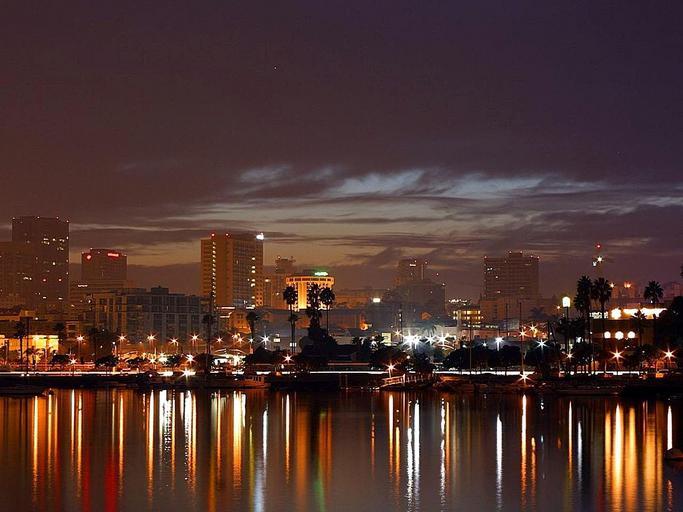
Capturing light trails adds dynamism to your photographs. Position yourself near busy roads or populated areas during dusk or night-time hours; ensure your shutter remains open long enough to catch moving lights as they weave through the scene.

Creating Moody and Ethereal Effects
The Art of Moodiness
Moody photography often evokes feelings of nostalgia and introspection. To achieve this effect:

- Use soft color palettes or monochrome tones. Capture silhouettes against vibrant sunsets or foggy backgrounds.
Ethereal Landscapes
Ethereal photography has the power to transport viewers into dreamlike realms through soft focus and gentle lighting effects. Consider photographing foggy mornings over frozen lakes or misty mountains at dawn—these subjects naturally create serene nature photos bursting with atmospheric beauty.
Black-and-White Photography with Long Exposures
Why Choose Black-and-White?
Black-and-white photography strips away distractions caused by color while emphasizing shapes, contrasts, and textures—ideal for timeless photography projects focused on form over hue.
Techniques for Stunning B&W Long Exposures
Utilize high contrast settings along with ND filters when capturing black-and-white long exposures; this combination enhances shadows while maintaining clarity in highlights—creating striking tonal ranges within an image.
Silhouette Photography Techniques
Capturing Silhouettes Effectively
Silhouette photography emphasizes shape rather than detail, often resulting in powerful imagery filled with emotion and intrigue:
- Position subjects against bright backgrounds such as sunrises or sunsets. Use a wide aperture setting (small f-stop number) to keep backgrounds out of focus while highlighting outlines.
Nature Photography Meets Long Exposure
The Intersection of Nature and Time
Nature-inspired photography lends itself beautifully to long exposures—whether photographing flowing rivers under twilight skies or capturing wind-swept fields during golden hour; these scenes can transform into poetic landscapes through careful timing and composition choices.
Exploring Artistic Photography Projects
Crafting Personal Narratives Through Imagery
Artistic photography projects involving long exposures allow photographers an opportunity for self-expression—consider documenting personal journeys through changing seasons or exploring themes such as solitude within bustling urban environments.
Digital Fine Art Photos Using Long Exposures
Transforming Digital Images into Fine Art
Digital fine art photos created from raw captures can be manipulated extensively using post-processing techniques—experimenting with overlays, textures, and color adjustments opens endless possibilities when aiming towards captivating aesthetic wall art pieces.
Soft vs Sharp Contrasts in Photography
Balancing Elements Within Your Composition
Achieving soft contrasts creates calming visuals ideal for moody landscapes while sharp contrasts bring attention-grabbing excitement—a well-balanced composition incorporates both aspects harmoniously enhancing visual storytelling capabilities present within each frame captured via long exposures!
FAQs About Long Exposure Techniques
What is the best time of day for long exposure photography?
The golden hour—shortly after sunrise and before sunset—is ideal due to soft lighting conditions that enhance colors without harsh shadows.
How do I avoid camera shake during long exposures?
Using sturdy tripods alongside remote shutters prevents movements from affecting image quality throughout extended capture times.
Can I use my smartphone for long exposure shots?
Yes! Many smartphones now feature built-in modes designed specifically for executing longer exposures effectively; consider utilizing apps like Slow Shutter Cam if needed!
Are there specific lenses recommended for this type of photography?
Wide-angle lenses are often favored among landscape photographers seeking expansive vistas—but any lens providing adequate sharpness works just fine!
How do ND filters impact my shots?
ND filters help reduce overall brightness enabling longer shutter speeds even under bright sunlight—allowing creativity beyond limits imposed by natural lighting conditions encountered outdoors!
Is post-processing necessary after capturing long-exposure shots?
While not mandatory editing processes improve overall presentation aspects such as sharpening details contrast adjustments enhancing overall aesthetics throughout each final print produced!
Conclusion
Long exposure techniques unlock an extraordinary potential within aesthetic photography allowing artists' visions come alive through mesmerizing prints capturing ephemeral beauty inherent across diverse subjects found outdoors indoors alike! Whether exploring moody landscapes fleeting moments behind passing cars silhouettes framed against vibrant skies every shot tells its own story enriching visual poetry embedded deep within artistry showcased across finished pieces created utilizing this powerful medium embraced globally amongst enthusiasts professionals alike!
The exploration doesn't stop here; dive deeper into personal experimentation find what resonates most profoundly with individual style discover new realms possibilities waiting just beyond horizons beckoning every curious photographer eager embark upon adventures armed knowledge gathered throughout journey detailed herein today!